Green Amenities as a New Sales Language
Buyers comparing similar properties are increasingly asking about comfort, operating costs, and environmental impact. That shift gives real estate professionals a powerful opening to spotlight green roofs, living walls, and rainwater harvesting as premium amenities rather than obscure upgrades. These features quietly improve how a property feels and functions long after closing, which is exactly what serious buyers want to hear. When you frame them as everyday benefits instead of technical experiments, hesitation quickly turns into curiosity. Your role is to translate the design and engineering into lifestyle, resale, and marketing advantages that buyers can immediately picture.
From Roof to Oasis: Framing Green Roofs for Buyers
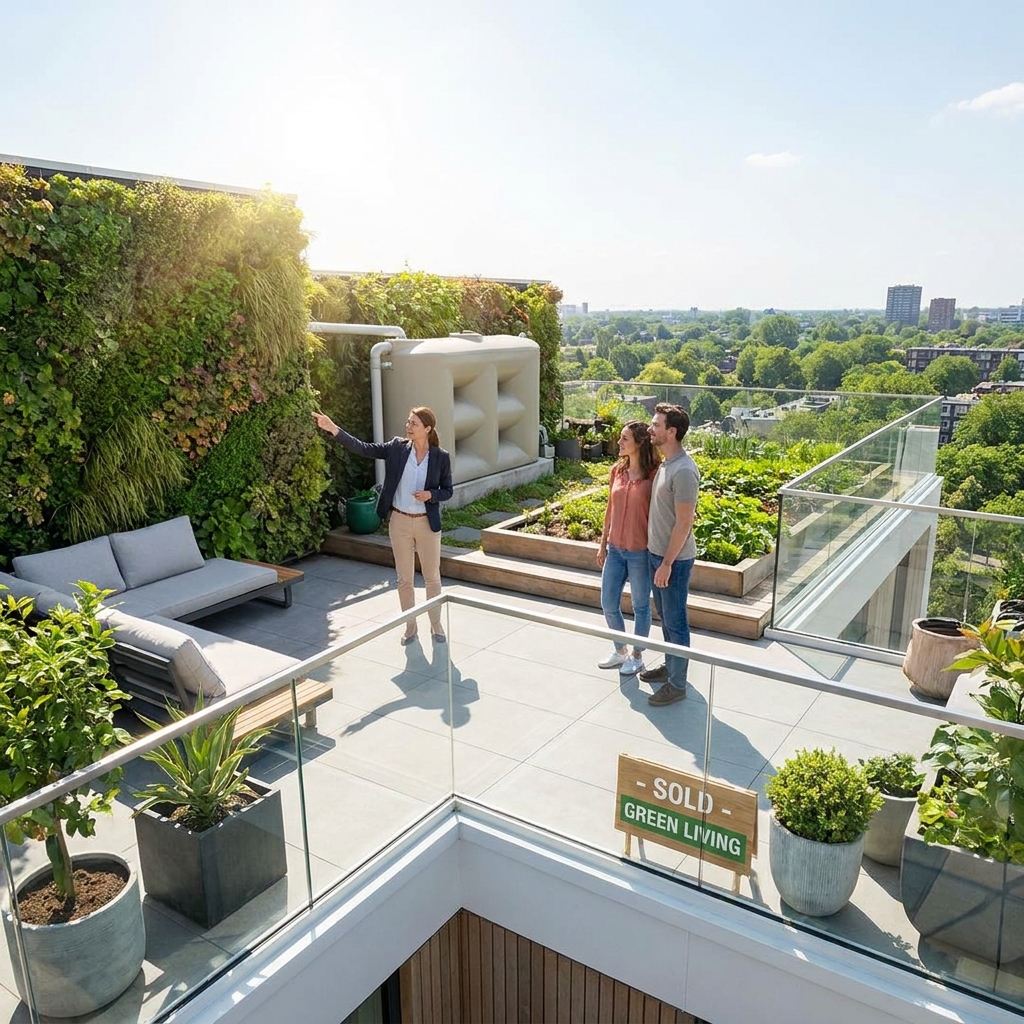
Most clients have heard the term “green roof” but rarely understand its full potential for the property they are viewing. Explain in simple language that a green roof is a planted layer over a roof system that helps moderate temperatures, protect waterproofing, and create usable outdoor space. For multifamily or mixed-use buildings, that can mean an appealing shared terrace that feels like a pocket park above the city. In single-family homes, it can be a visual buffer against neighboring roofs and a calmer view from upper floors. Emphasize that buyers are not just purchasing square footage; they are purchasing a cooler, quieter top level that stands out in any future resale comparison.
When marketing green roofs, tailor your language to different buyer types rather than using one generic sustainability pitch. Urban families may respond to the idea of a safe outdoor play or lounge area away from street traffic. Investors often appreciate reduced roof wear and an amenity that helps attract and retain quality tenants for longer leases. Office users may value a branded rooftop space that impresses clients and supports employee wellness breaks. By tying each benefit to a buyer profile, you turn a technical feature into a sharp differentiator that supports stronger offers.
Living Walls as Everyday Wellness Features
Living walls immediately catch the eye, and that visual impact is your opening to talk about wellness and design value. Describe a living wall as a vertical garden system that brings greenery into tight footprints where traditional landscaping is impossible. Exterior walls with planting soften hard facades, while interior walls can make lobbies, hallways, and work areas feel calmer and more welcoming. Many systems are modular and irrigated, which simplifies upkeep for busy owners and property managers. Stress that this is not just decoration; it is a built-in feature that supports a more enjoyable daily environment for residents, guests, and employees.
During showings, avoid letting living walls fade into the background like standard artwork. Invite buyers to stand near the installation and imagine greeting visitors, hosting video calls, or reading by that backdrop every day. For residential listings, connect the wall to stress reduction, restful interiors, and an elevated design standard rarely seen at comparable price points. For commercial spaces, explain how a recognizable green feature can become part of a brand image in photos, marketing materials, and tenant recruitment. The more you connect the wall to memorable experiences rather than plant names, the more buyers see why it belongs in the price.
Rainwater Harvesting as a Practical Upgrade, Not a Science Project
Rainwater harvesting often sounds intimidating to clients until it is explained as a straightforward utility improvement. Clarify that the basic concept is simply capturing rain from the roof, storing it in tanks, and reusing it for landscape irrigation or other approved non-potable uses. For homes, that can mean greener lawns and gardens with less reliance on municipal water, especially during dry periods or watering restrictions. For larger properties, it can help support more ambitious landscaping without constantly rising water bills. Present the system as a quiet, behind-the-scenes helper that works automatically once installed and maintained on a normal schedule.
To make rainwater systems feel accessible, focus your language on reliability, clarity, and ease of use. Point out clearly labeled valves, filters, and tanks so buyers understand where water moves and how to monitor basic functions. Highlight any service agreements, installer contacts, and simple maintenance calendars included in the sale, which lowers perceived risk. Explain how the system supports resilience during hot summers, when outdoor water demands can spike for lawns and shared green spaces. When buyers view rainwater harvesting as a practical way to protect landscaping investments, it stops feeling experimental and starts feeling like smart property management.
Marketing Tactics That Make Sustainable Features Impossible to Miss
Sustainable features only add sales value when they are front and center in your marketing, not buried in a feature list. Place the primary green amenity in the first line of your listing description, pairing it with a direct lifestyle benefit such as comfort, quiet, or low-maintenance greenery. Use strong, concrete wording like “planted rooftop terrace” or “integrated rainwater irrigation system” instead of vague phrases such as “eco-friendly upgrades.” In photography, include clear, well-composed shots that show how these elements connect to living or working areas, not just close-ups of plants. Buyers should be able to picture themselves using these spaces daily before they even schedule a visit.
At showings and open houses, guide clients through a specific route that showcases each sustainable feature at the right moment. Step onto the green roof during a natural pause in the tour and describe how the space feels at different times of day or season. Pause by living walls to discuss noise softening and visual calm rather than rushing past them like decor. For rainwater systems, have a simple diagram or framed note explaining how much roof area is served and where the water is reused, using approachable language. These small storytelling touches turn technical upgrades into memorable reasons to choose your listing over competing options.
Quantifying Value Without Overpromising
Clients will naturally ask about savings, and your credibility depends on balancing enthusiasm with realistic framing. Avoid precise promises about future utility bills or maintenance costs unless you are referencing documented data specific to the property. Instead, use language like “can help reduce cooling needs” for green roofs or “can lower demand for municipal irrigation” for rainwater harvesting. Encourage buyers to view these features as part of a broader comfort and resilience package rather than a strict payback calculation. When you stay within what can be reasonably supported, buyers trust your guidance and feel more confident moving forward.
Be prepared for questions about upkeep, replacement, and long-term reliability, and keep your answers grounded and organized. Have installer or vendor information on hand so buyers know exactly who to contact for inspections or future service. If there are warranties, maintenance logs, or service contracts, summarize them clearly and offer to provide full copies for review. For multi-unit properties, reference any association guidelines that outline how these systems are managed and funded over time. Handling these questions calmly and transparently turns potential objections into proof that the property has been thoughtfully planned.
Aligning With Partners to Scale Sustainable Inventory
Real estate professionals who consistently sell properties with green roofs, living walls, and rainwater systems rarely do it alone. They build informal teams with architects, landscape designers, roof specialists, and sustainability consultants who can answer questions and provide documentation. These partners help you evaluate new listings, refine marketing language, and prepare clean information packets for buyers and lenders. In return, you become a go-to channel for their work, which keeps your pipeline stocked with distinctive, high-appeal properties. Over time, your market presence becomes closely associated with attractive, sustainable buildings that command attention and stronger offers.
Owners and developers can also plan for these features early, long before the sales phase begins. When green roofs and water systems are built into initial design conversations, they integrate more smoothly with structural plans, access points, and long-term maintenance strategies. That thoughtful integration leads to cleaner documentation, clearer signage, and fewer surprises for future buyers or tenants. As more projects follow this pattern, your portfolio gains a recognizable look and story centered on healthier spaces and smarter resource use. In a crowded marketplace, that reputation is a powerful advantage that keeps listings memorable and margins healthy.