Food, Neighbors, and Listings: A Fresh Take on Real Estate Community Building
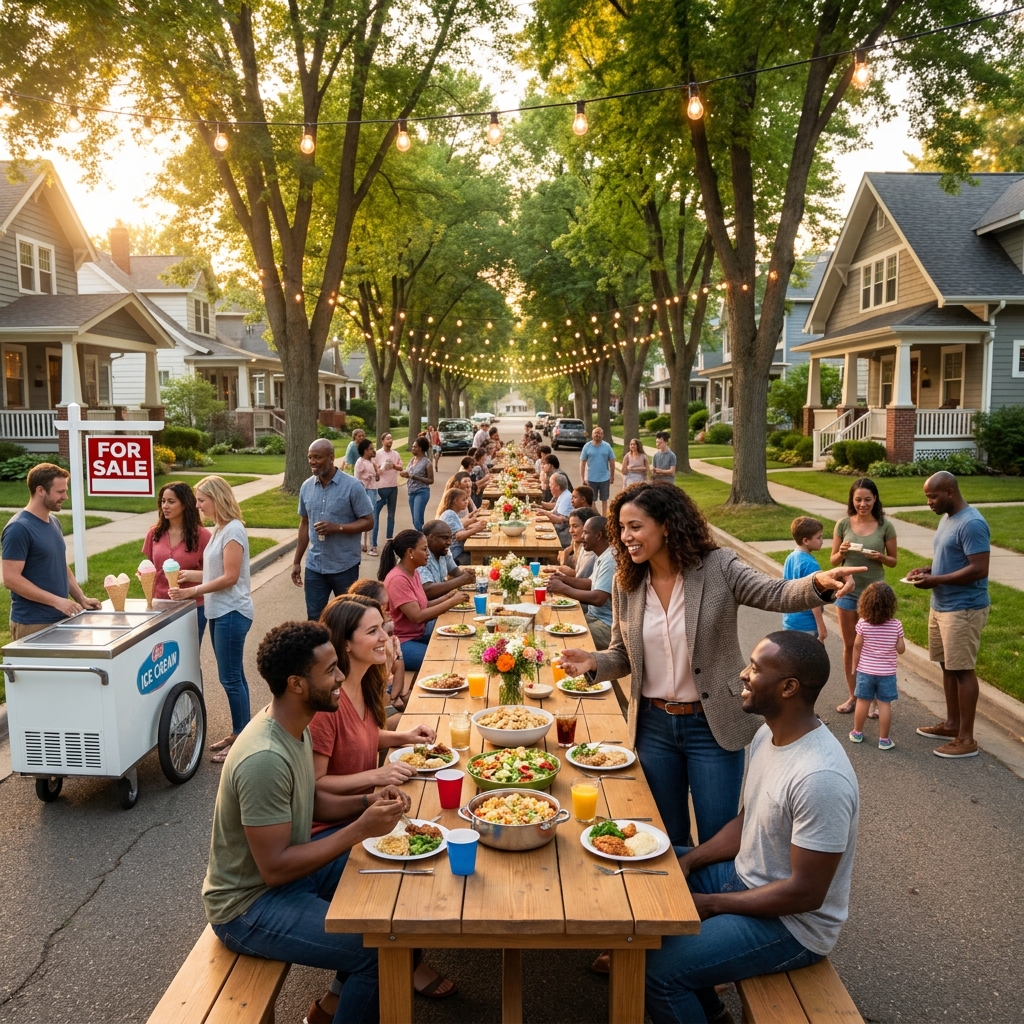
Buyers are not just shopping for square footage; they are searching for a neighborhood that feels welcoming and connected. Hosting ice cream socials, barbecues, and potlucks gives you a practical way to showcase that feeling in real time. These gatherings let residents meet, linger, and build trust while you quietly position yourself as the go-to real estate advisor. Instead of another postcard in the mailbox, you become the person who brings the block together around a shared table. That emotional connection often translates into stronger loyalty, warmer referrals, and more conversations that lead naturally to listings.
- Showcase a friendly, lived-in neighborhood buyers can instantly imagine joining.
- Position yourself as the connector, not just another sales professional.
- Turn casual conversations over food into future listing and buyer opportunities.
These events work especially well in farm areas, new subdivisions, condo communities, and mixed-use districts where relationships are still forming. You are not planning a huge festival; you are creating manageable, recurring traditions anchored by simple, shared food. Because the format is low-pressure and family-friendly, people show up curious rather than guarded about sales pitches. That relaxed atmosphere makes it easier to listen for upcoming moves, life changes, or investment plans. Over time, your calendar of neighborhood gatherings becomes a predictable engine for ongoing business.
- Keep events small enough that neighbors can genuinely meet one another.
- Repeat them regularly so the community begins to expect and anticipate them.
- Use each gathering to gently learn who may be considering a move.
Why Food-Centered Events Belong in Your Real Estate Strategy
Sharing food lowers defenses faster than any scripted elevator pitch ever could. When neighbors sit or stand together with a plate or cone in hand, they are more open to chatting about their lives. Those stories naturally include promotions, downsizing plans, new babies, and other triggers that reshape housing needs. Instead of cold calling to uncover this information, you hear it over sprinkles, burgers, or casserole servings. From there, your role shifts from salesperson to trusted problem solver who already feels like part of their circle.
- Create space where personal stories surface without forced questioning.
- Listen carefully for early signals of upcoming real estate decisions.
- Respond with helpful guidance instead of hard closes or pressure.
Neighborhood gatherings also demonstrate stability and pride of place, which are powerful signals for potential buyers. When an open house, showing, or listing marketing references regular block events, it hints that people enjoy living there enough to invest time in each other. Sellers appreciate that you are not only promoting their property but also elevating the entire street or building’s reputation. This broader narrative often supports stronger perceived value and a smoother negotiation environment. A community that feels organized, friendly, and active is far easier to sell than one that seems anonymous.
- Use photos and stories from events in future listing presentations.
- Reference traditions like annual ice cream nights as part of the value story.
- Reinforce the message that people love living in this neighborhood.
Choosing the Right Event: Ice Cream Social, Barbecue, or Potluck
Each type of gathering creates a slightly different tone, so match the format to your audience and goals. Ice cream socials feel light, playful, and quick, making them ideal for condo courtyards, townhome communities, or streets with many families. Barbecues feel more substantial and relaxed, working well in single-family neighborhoods with yards and driveways. Potlucks invite the deepest neighbor participation, because everyone brings a dish, recipe, or story from home. By intentionally choosing the format, you shape the kind of conversations and connections that develop.
- Use ice cream socials for high-energy, come-and-go interactions.
- Use barbecues when you want people to linger for longer conversations.
- Use potlucks to encourage neighbors to invest emotionally in the event.
Consider the calendar and local culture when selecting themes and timing. Early summer evenings pair naturally with ice cream; late summer weekends suit relaxed barbecues; cooler months invite cozy indoor potlucks. Aligning with holidays, school milestones, or community anniversaries gives people another reason to attend. You can even name events after the street or building to reinforce a sense of shared identity. Over time, those named traditions become part of the neighborhood’s story that you can confidently share with prospective buyers.
- Anchor events to familiar seasonal moments residents already celebrate.
- Brand gatherings with neighborhood-specific names that feel memorable.
- Rotate formats through the year to keep attendance strong and fresh.
Planning Logistics Around Listings and Farm Areas
Smart logistics turn a nice idea into a repeatable real estate system. Start by choosing locations that naturally highlight your current or upcoming listings, without making the event feel like a sales presentation. A driveway, shared green space, or community room near an active listing subtly connects the good vibes to that address. Check any association rules or local guidelines related to gatherings, signage, and grilling before you finalize plans. Build a simple checklist you can reuse so setup, cleanup, and follow-up stay efficient instead of overwhelming.
- Map event locations to current or soon-to-launch listings.
- Confirm association or municipal rules for gatherings in shared spaces.
- Standardize supplies, signage, and setup steps for easy repetition.
Budget thoughtfully, balancing generosity with sustainability so you can host more than once. Simple ice cream toppings bars, hot dog stations, or lemonade stands can feel festive without large catering bills. Invite local partners such as lenders, insurance professionals, or home service providers to co-sponsor, while keeping branding tasteful. Involve them in hosting tasks so the event still feels neighbor-first rather than vendor-heavy. When partners share costs and effort, you can offer more frequent experiences that keep your name visible all year.
- Choose food options that feel abundant but remain affordable.
- Share costs with trusted partners who understand your community-first approach.
- Keep the event visually focused on neighbors rather than sponsor logos.
Designing Moments That Spark Real Estate Conversations
The goal is not to corner guests with listing pitches but to create natural openings for housing talk. Simple name tags that include both first names and street names instantly connect neighbors and reveal where people live. Conversation starters, such as asking how long someone has been in the area, organically surface satisfaction levels and future plans. A small, welcoming information table with neighborhood maps and recent sale highlights provides visual prompts without pressure. As people browse casually, they often invite you to share professional insight rather than waiting for you to initiate.
- Use name tags that highlight both people and their streets.
- Ask open questions about their experience living in the area.
- Offer low-key printed materials that invite curiosity, not hard selling.
You can also weave in subtle programming that steers conversation toward real estate in a friendly way. Short, optional moments such as a raffle drawing for a home-related prize give you a reason to address the group. During that moment, thank everyone for coming and briefly mention that you specialize in buying and selling locally. Keep it under a minute so the event remains about them, not about you. That balance of visibility and restraint builds trust much more effectively than extended sales speeches.
- Host quick prize drawings tied to home or garden items.
- Use announcements to thank guests and state your role succinctly.
- End every group moment by returning attention to community fun.
Collecting Leads Without Killing the Neighborhood Vibe
Lead capture at neighborhood gatherings should feel like a favor to guests, not an obligation. A simple sign-in sheet or digital QR code can offer access to event photos, recipes shared by neighbors, or a neighborhood newsletter. Framing the opt-in around value for them encourages authentic participation. You can also provide short interest checkboxes where people can indicate whether they want a home valuation or market update. That way you know exactly who welcomes follow-up, and who simply came for the social time.
- Exchange contact details for something neighbors genuinely appreciate.
- Offer opt-in choices instead of assuming everyone wants sales messages.
- Keep forms short so signing up takes only a few seconds.
Respectful lead collection strengthens your reputation while still filling your database with high-quality, hyperlocal contacts. You meet people where they already feel comfortable and let them decide how much engagement they want. This approach often yields warmer responses later, because they remember choosing to hear from you. Over time, your list evolves into a concentrated group of residents who see you as both neighbor and resource. That dual identity makes future listing presentations and referral requests feel far more natural.
- Prioritize consent and comfort over aggressive data gathering.
- Track who requested what type of information for tailored follow-up.
- Protect the community feel by avoiding excessive forms or questioning.
Showcasing Listings and Local Amenities During the Event
Neighborhood food events are perfect settings to highlight specific homes and nearby amenities without staging a formal tour. If you have a listing steps away, create a casual “open yard” or “dessert stop” where guests can peek at the exterior and chat. Use tasteful directional signs that lead to the property while keeping the main gathering inclusive for everyone. Inside the home, keep things light with a refreshment station, simple feature cards, and your contact details. Let guests move freely between the social space and the listing so nothing feels forced.
- Connect the feel of the event directly to the feel of the listing.
- Use soft signage that invites curiosity instead of demanding attention.
- Keep in-home details focused, visual, and easy to skim quickly.
Even when you are not highlighting a specific property, you can still spotlight neighborhood strengths that support future sales. Display a simple map marking playgrounds, walking paths, transit stops, and popular local businesses residents love. Ask neighbors to add sticky notes with their favorite spots or hidden gems, turning the map into a community-created asset. Later, you can repurpose that information in buyer packets or listing marketing as authentic local insight. This visually reinforces that people do not just own homes here; they actively enjoy living here.
- Invite residents to co-create a map of neighborhood favorites.
- Capture those insights for future marketing materials and buyer tours.
- Use visuals to show lifestyle value beyond the four walls of each home.
Following Up So One Event Becomes Ongoing Business
The real return on your neighborhood gatherings appears in the days and weeks afterward. Send a friendly thank-you message with any promised photos, recipes, or neighborhood updates to everyone who opted in. Briefly include one clear real estate value item, such as a snapshot of recent local sales activity or days-on-market trends. Invite recipients to reply with questions about their own property or plans, keeping the door open without pressure. This combination of gratitude, value, and gentle invitation keeps you top of mind long after the last dish is washed.
- Deliver on every promise made at the event quickly.
- Share one concise market insight instead of overwhelming data.
- Make follow-up emails conversational, short, and neighborly.
Track your results across multiple events to refine your strategy. Monitor attendance, number of new contacts, valuation requests, and listing or buyer consultations that originated at each gathering. Over time, you will see patterns in which formats, days, messages, and neighborhoods respond best. Use those insights to focus on the highest-impact gatherings and retire approaches that feel forced. With steady experimentation, your calendar of ice cream socials, barbecues, and potlucks becomes a reliable pipeline for consistent real estate business.
- Measure both social engagement and concrete real estate outcomes.
- Adjust timing, themes, and messaging based on real-world feedback.
- View each event as one step in a long-term neighborhood relationship plan.