Fresh Food, Fresh Story: Local Food Systems as a Sales Differentiator
Buyers are increasingly weighing everyday lifestyle details alongside square footage and finishes, and local food access is climbing that priority list. When a neighborhood offers urban farms, regular farmers markets, and edible landscaping, it signals health, convenience, and a strong sense of place. Those are qualities that translate directly into perceived value and stronger offers. For developers, investors, and agents, local food systems can turn an ordinary community into a standout story. Instead of selling only a property, you are selling a lifestyle where fresh food is part of the daily routine.
Urban Farms as a Quiet Value Driver for New Developments
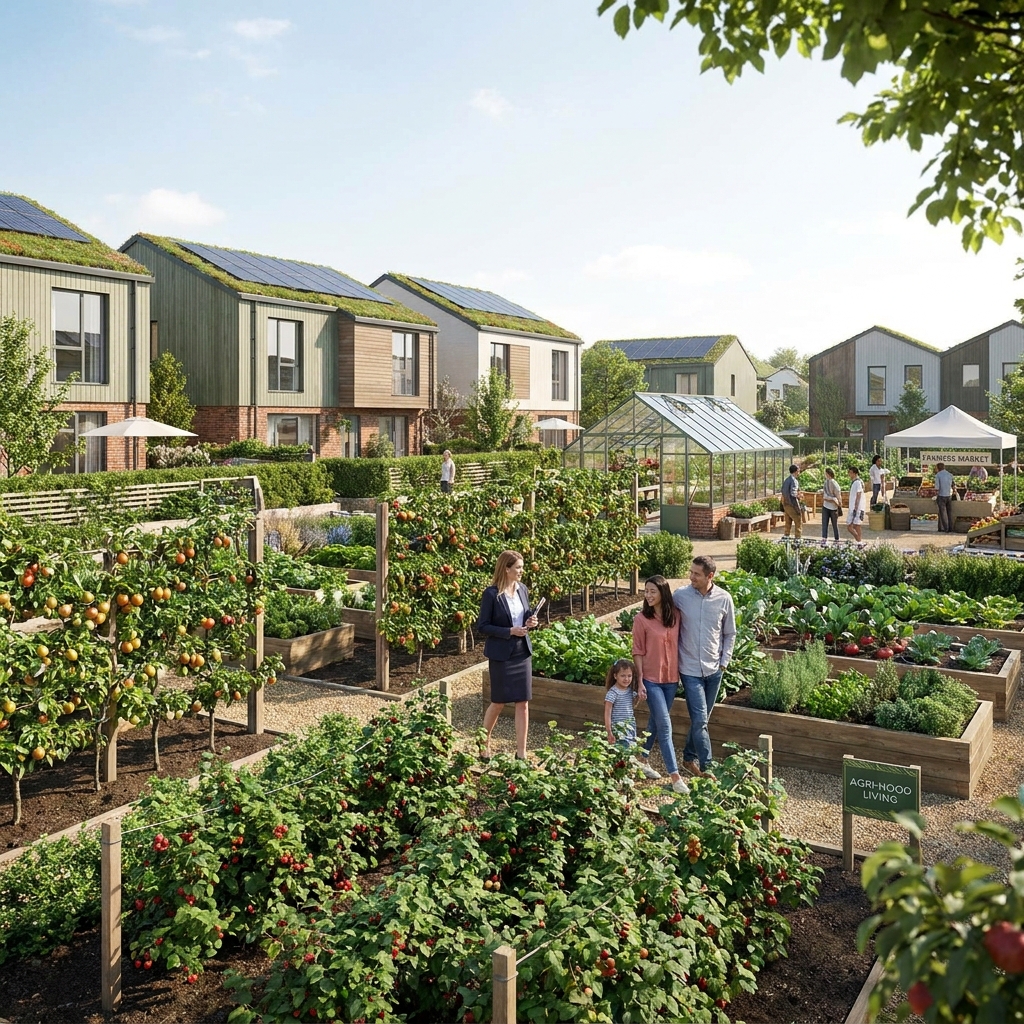
Urban farms inside or adjacent to a development are visual proof that the neighborhood invests in quality of life. Rows of vegetables, fruit trees, and pollinator gardens immediately soften hard edges of new construction and add warmth to marketing visuals. They also suggest lower barriers to healthy eating, which resonates with many buyers and tenants. Even for prospects who will never pick up a shovel, the presence of an urban farm creates a perception of wellness and environmental responsibility. That perception helps justify pricing, stabilize absorption, and reduce vacancy over time.
Developers do not need to manage the farm themselves to benefit from it, because long-term success usually comes from partnerships. Collaborating with a local farming nonprofit, a culinary school, or a neighborhood gardening group can keep operations off your balance sheet while keeping the amenity thriving. In planning stages, thoughtful placement matters, because farm plots near walking paths or clubhouses make the feature visible and marketable. Signage, seating areas, and simple shade structures turn the farm into both a food source and a social space. For sales teams, that dual role creates more reasons to feature the farm in tours, photos, and listing copy.
Farmers Markets as Weekly Open Houses for the Neighborhood
A consistent farmers market near your properties functions like a recurring open house for the entire area. Every week, it draws residents and visitors, filling sidewalks and plazas with energy that is impossible to fake in listing photos. That activity signals to buyers that the neighborhood is already a gathering point, not just a collection of homes. Food vendors, craft tables, and live demonstrations create layered experiences that appeal to multiple age groups and income levels. This diversity gives agents an easy way to position the area as both vibrant and inclusive.
From a sales standpoint, farmers market days offer strategic opportunities for in-person outreach. Scheduling showings to start or end near market hours lets prospects experience the neighborhood at its liveliest. Sign riders, directional signs, and branded shopping bags can gently connect your listings to the positive feelings people associate with the market. For new projects, working with market organizers on simple co-branding or sponsorship can link your development’s name to a beloved local tradition. Over time, that association builds preference, making your listings feel like the natural choice for buyers who already love spending Saturdays there.
Edible Landscaping That Works Like Curb Appeal on Repeat
Edible landscaping blends the aesthetics buyers expect with the function today’s health-conscious households crave. Blueberry hedges, espaliered apple trees, rosemary borders, and raised herb beds soften facades, while also inviting interaction. When prospects can literally pick a strawberry during a showing, the property creates a memorable micro-experience. That small moment reinforces the idea that everyday life here will feel special, not routine. Over many tours, those impressions can separate your listings from competing inventory with similar floor plans.
Thoughtful design keeps edible landscapes from becoming maintenance headaches or visual clutter. Selecting perennial, climate-appropriate plants minimizes replacements and helps beds look full in more seasons. Grouping food-producing plants near entries, mail kiosks, or amenity paths ensures they stay visible and appreciated. Clear wayfinding or small plant markers subtly educate residents while showcasing variety for prospective buyers. When presented well, edible landscaping becomes part of your community’s visual identity, consistently feeding your marketing narrative along with the residents.
Marketing Local Food Features in Your Listings and Tours
Real estate marketing around local food systems works best when it is specific and grounded in daily routines. Instead of vague claims about healthy living, connect each feature to moments buyers can imagine themselves enjoying. Mention morning walks past the community garden, midweek errands combined with the farmers market, or evenings clipping herbs from shared planters. These details help prospects mentally move in before they sign anything. The more clearly you link local food elements to real-life convenience and joy, the more persuasive your pitch becomes.
Across channels, consistency turns local food from a side note into a central theme. Listing descriptions, photo captions, video tours, and on-site signage should all reference the urban farm, market accessibility, or edible landscapes by name. Maps included in brochures or on your website can highlight routes from front doors to nearby food amenities. During showings, rehearse a short storyline that ties kitchen spaces to local ingredients available just outside. When every touchpoint reinforces this narrative, buyers start to see fresh food not as a perk, but as part of the property’s core value.
Talking Points Agents Can Use with Different Buyer Segments
Not every buyer cares about local food for the same reasons, so tailoring your language matters. For health-focused households, highlight reduced reliance on long supermarket trips and fresher, seasonal produce options. For environmentally minded buyers, emphasize reduced transportation footprints and increased green coverage from orchards and gardens. Families with children may respond more to educational benefits, such as learning where food comes from and participating in planting days. Remote workers or active retirees might be drawn to low-pressure socializing that happens naturally around gardens and markets.
Having a small toolkit of adaptable talking points keeps conversations fluid and relevant. Agents can prepare a few concise statements that connect each local food asset to time savings, cost awareness, social connection, and well-being. During buyer consultations, quick questions about cooking habits and routines can guide which angle to emphasize. When questions arise about value, you can connect these amenities to long-term neighborhood demand and resale potential. This approach keeps local food positioned as both a lifestyle advantage and a smart investment consideration.
Partnering with Local Food Leaders to Build Credibility
Local food systems thrive when real estate professionals collaborate with people who already understand growing, sourcing, and selling food. Partnering with urban farmers, chefs, nutrition educators, or market managers can deepen the authenticity of your amenity strategy. They can advise on plant selections, event timing, or layout choices that better serve residents. In turn, your projects provide them with stable spaces, audiences, and visibility. This mutual support strengthens both the neighborhood ecosystem and your brand reputation.
These partners can also become powerful marketing allies. Co-hosting seasonal events, cooking demonstrations, or planting workshops offers content for photos, blogs, and social channels tied directly to your properties. Featuring partner quotes in brochures or on community boards conveys that your local food story is more than a sales gimmick. Prospects sense that thoughtful planning and real expertise went into these amenities. That perception of depth and sincerity can be the deciding factor for buyers comparing several similarly priced options.
Managing Maintenance, Expectations, and Long-Term Appeal
While local food amenities are compelling, they require honest expectation-setting to stay assets instead of turning into liabilities. Clear maintenance plans for gardens, orchards, and shared beds should be in place before marketing begins. Explaining who handles planting, pruning, and harvesting helps avoid future conflicts among residents. Transparent rules, such as designated picking times or shared harvest arrangements, keep experiences positive. When boundaries are defined early, the amenity feels organized rather than chaotic.
For long-term appeal, it is wise to design local food features with flexibility in mind. Spaces that can shift between seasonal crops, pollinator gardens, or outdoor gathering areas reduce the risk of underused corners. Simple infrastructure like water access, storage, and lighting keeps options open as resident interests evolve. Regular communication through newsletters or resident portals reminds households of upcoming harvests, workshops, or market dates. Over years, this ongoing engagement keeps local food systems fresh in both literal and marketing terms, supporting property values long after the initial sales cycle ends.