Photography That Turns Listings Into Visually Compelling Spaces
In real estate today, photography is often the first showing buyers ever attend. They scroll through architecture, interiors, and outdoor spaces long before they schedule a tour. Strong images do more than prove that a property exists; they communicate proportion, mood, and lifestyle. When photos are planned as both marketing tools and artistic expressions, they give every square foot a clear role in the sales story. That combination of creativity and strategy is where real estate photography starts paying measurable dividends.
Architectural Exteriors That Set Expectations Before The Door Opens
Exterior photography should quickly answer a buyer question that rarely gets asked out loud, which is whether the structure feels worth their time. The front elevation needs to show architecture clearly, avoid heavy distortion, and sit naturally within its surroundings. Shooting slightly off center often creates flattering depth, while keeping vertical lines as straight as possible maintains professionalism. Include enough of the street, landscaping, and sky to position the home in a believable context. When exteriors are clean, balanced, and intentional, buyers arrive already picturing themselves walking up the path.
Lighting can make the same facade seem either tired or inviting, so scheduling matters more than many agents realize. Early morning and late afternoon usually deliver softer light that flatters siding, brick, and rooflines. For luxury or distinctive properties, a twilight exterior can showcase windows, outdoor lighting, and landscape design as a cohesive composition. Just be careful that sky color and interior lighting balance without looking overly saturated or artificial. A well planned exterior series becomes the visual anchor for the entire marketing package.
Interiors That Feel Spacious, Honest, And Carefully Lived In
Interior photography in real estate must manage a constant tension between aspiration and accuracy. The goal is to make rooms feel spacious and intentional without promising more than the property can deliver. Wide lenses are helpful, but going too wide stretches walls and misrepresents scale, which erodes trust as soon as buyers step inside. Camera placement at a consistent, moderate height helps keep lines straight and furniture proportions realistic. When interior shots feel honest, buyers interpret every attractive detail as a bonus instead of a correction.
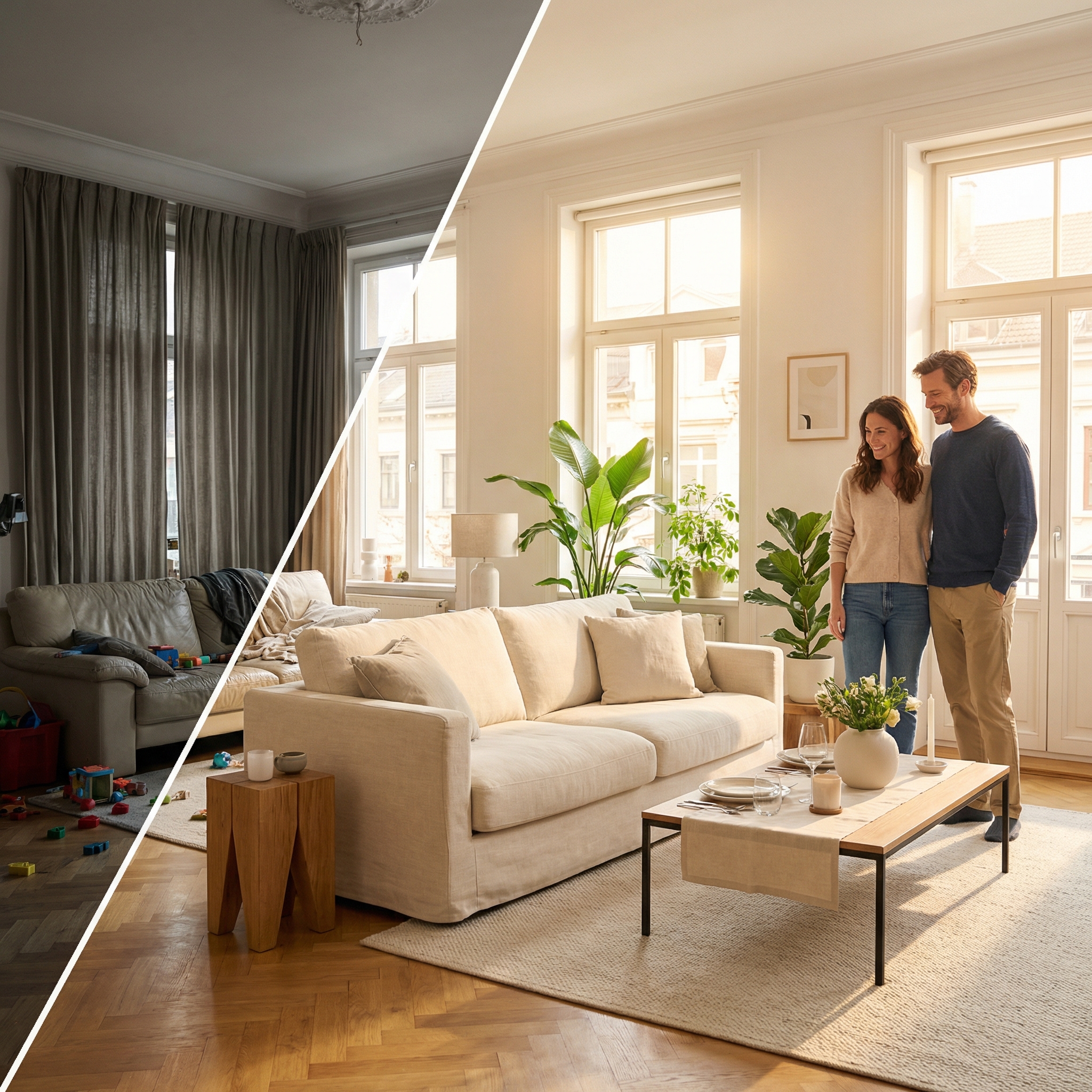
Styling interiors for photography is less about perfection and more about editability. Clear surfaces, simplified decor, and consistent color accents make rooms feel calm on camera. Thoughtfully opened doors, pulled back curtains, and carefully positioned seating show how spaces connect and flow. Removing personal items and visual clutter helps buyers mentally insert their own routines into the home. Each interior frame should answer a practical question while still leaving room for imagination.
Lighting Strategies That Shape Buyer Emotion In Every Frame
Light is the primary tool for turning rooms and facades into compelling images that support a sales narrative. Whenever possible, lean on natural light by shooting when windows receive even, indirect illumination. Turn on interior fixtures selectively to add warmth and depth without introducing competing color temperatures. Avoid intense mixed lighting that makes whites look different from room to room because that inconsistency feels subconsciously unsettling. When lighting is gentle and coherent, buyers experience the listing as relaxing and welcoming rather than chaotic.
For properties with dramatic windows, skylights, or architectural shadows, consider a more artistic approach that still respects marketing needs. Showcase how light travels through the home at different times of day instead of flattening every surface. A backlit hallway, sun edged stair rail, or softly glowing kitchen can all signal comfort and quality. These details reassure buyers that the property has character without compromising clarity about finishes and conditions. Emotional impact created through light often stays with buyers long after they close the browser tab.
Composing Shots For Online Listings, Print Materials, And Signage
Composition controls what buyers notice first and how long their attention lingers. In listing galleries, lead with wide compositions that explain room layout, then support them with tighter shots of key details. Keep vertical lines as straight as possible by leveling the camera and correcting perspective in post production. Use foreground elements like chairs, islands, or railings to create depth without blocking the room. Every decision about framing should be guided by what helps a buyer quickly understand how the property works.
Different marketing channels reward different compositions, so plan photography with all of them in mind. Wider, narrative images tend to perform well on listing portals and single property sites. Tighter, more graphic shots of finishes, windows, or architectural features work better in postcards, brochures, and social posts. Vertical compositions are especially valuable for mobile viewing and for yard sign riders or flyers. When a shoot intentionally generates a mix of formats, every platform reinforces the same core property story.
Capturing Unique Features As Visual Hooks That Differentiate Listings
Distinctive properties benefit from photography that treats unusual details as purposeful design choices instead of oddities. A sculptural staircase, exposed beams, restored fireplace, or custom built ins should each receive their own carefully composed frame. Shoot these elements from angles that reveal depth and craftsmanship while still showing how they connect to adjacent spaces. Include at least one composition where a signature feature anchors the scene rather than just decorating the background. These visual hooks give buyers memorable reasons to choose one property over seemingly similar options.
Even in more conventional homes, there are often subtle features waiting to be highlighted. A particularly bright breakfast nook, generous hallway, or well organized mudroom can all function as marketing assets. By photographing these spots with the same care given to kitchens and primary suites, you expand the list of selling points. Agents can then pair those images with copy that explains the everyday value of these spaces. When photography finds and celebrates the property’s quiet strengths, pricing conversations become easier to justify.
Building A Cohesive Visual Brand Across Every Listing You Represent
Consistent photography style does more than make individual listings look polished; it gradually builds your reputation in the marketplace. Buyers and sellers begin to associate your name with a particular visual standard and level of care. This can include recurring elements like steady color balance, clean compositions, and clear storytelling from exterior to interior. Over time, your portfolio functions as proof that you take every property seriously, regardless of price point. That perception often influences both listing appointments and referral conversations before you ever present a formal pitch.
To maintain consistency, document a simple visual checklist that you and your photographer follow on each shoot. This might outline preferred shooting heights, minimum number of images per room, and priority feature categories. Capture at least one image per listing that would sit comfortably beside your other marketing pieces. Audit your online gallery periodically and remove outdated or off brand photos that dilute your overall impression. A curated, unified body of work tells sellers you do not just market homes; you craft recognizable experiences.
Partnering With Photographers And Planning Smart DIY Sessions
Professional real estate photographers bring technical expertise and efficiency, allowing agents to focus on client relationships and strategy. When interviewing photographers, review complete property sets rather than highlight reels to understand how they handle problem rooms. Discuss expectations about turnaround time, file sizes, and licensing so your entire marketing workflow remains smooth. Share details about the property’s ideal buyer profile so they can prioritize angles and features that speak directly to that audience. A collaborative relationship turns each shoot into a repeatable process instead of a one off gamble.
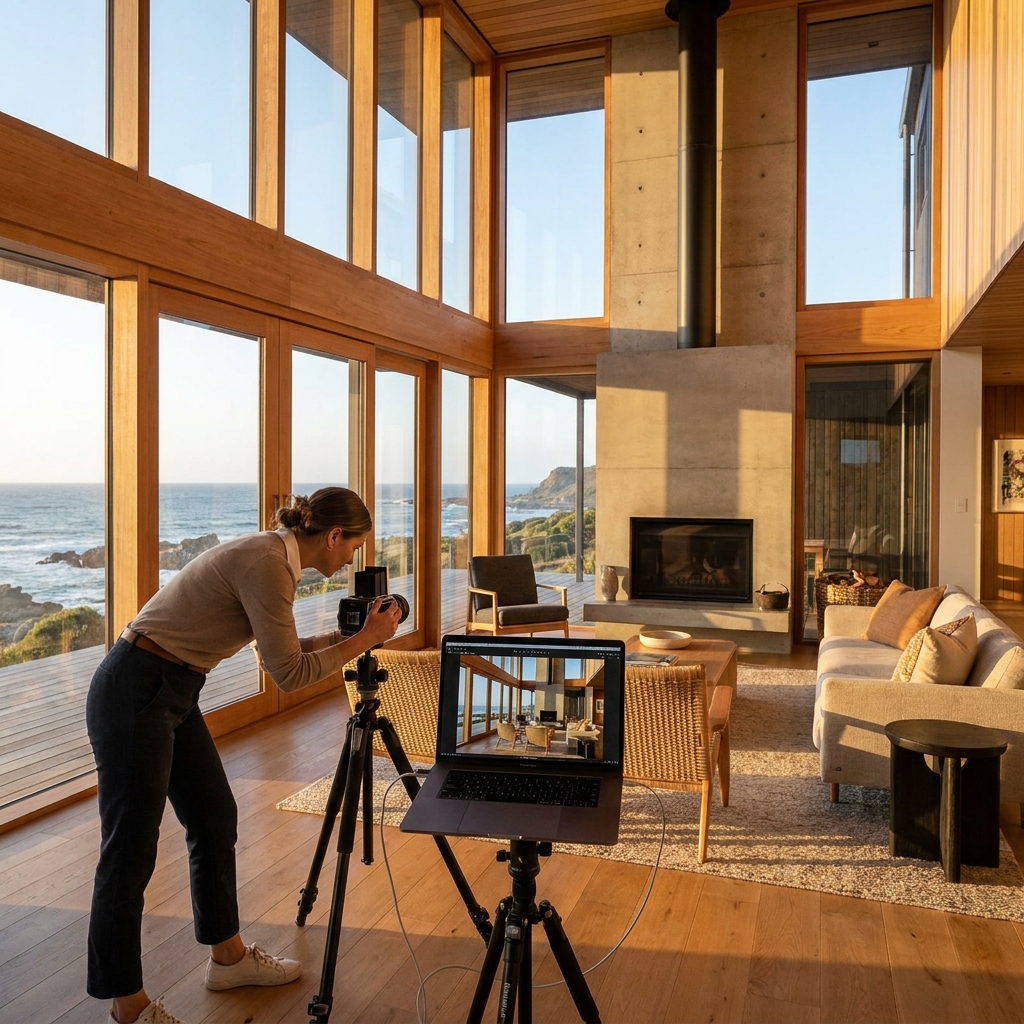
For lower budget listings or quick updates, a well planned DIY session can still produce usable images. Invest in a tripod, learn basic composition and exposure settings, and create a shot list before arrival. Walk the property once without the camera to identify clutter, distractions, and standout moments of light. Then photograph deliberately rather than rapidly, checking each frame for straight lines and clean corners. Whether hiring out or shooting yourself, the goal remains the same: thoughtful images that respect both the property and the buyer’s time.