Stage Lights, Stronger Leases in Commercial Districts
Supporting local theater troupes and performing arts organizations is more than charity. For real estate professionals, these creative neighbors can quietly become powerful leasing partners. A busy stage keeps sidewalks active, storefronts visible, and nearby spaces in demand. When you intentionally court the performing arts, you turn a commercial block into an experience, not just a collection of units. That experience is exactly what attracts modern tenants, investors, and buyers.
Why Performing Arts Matter to Commercial Real Estate
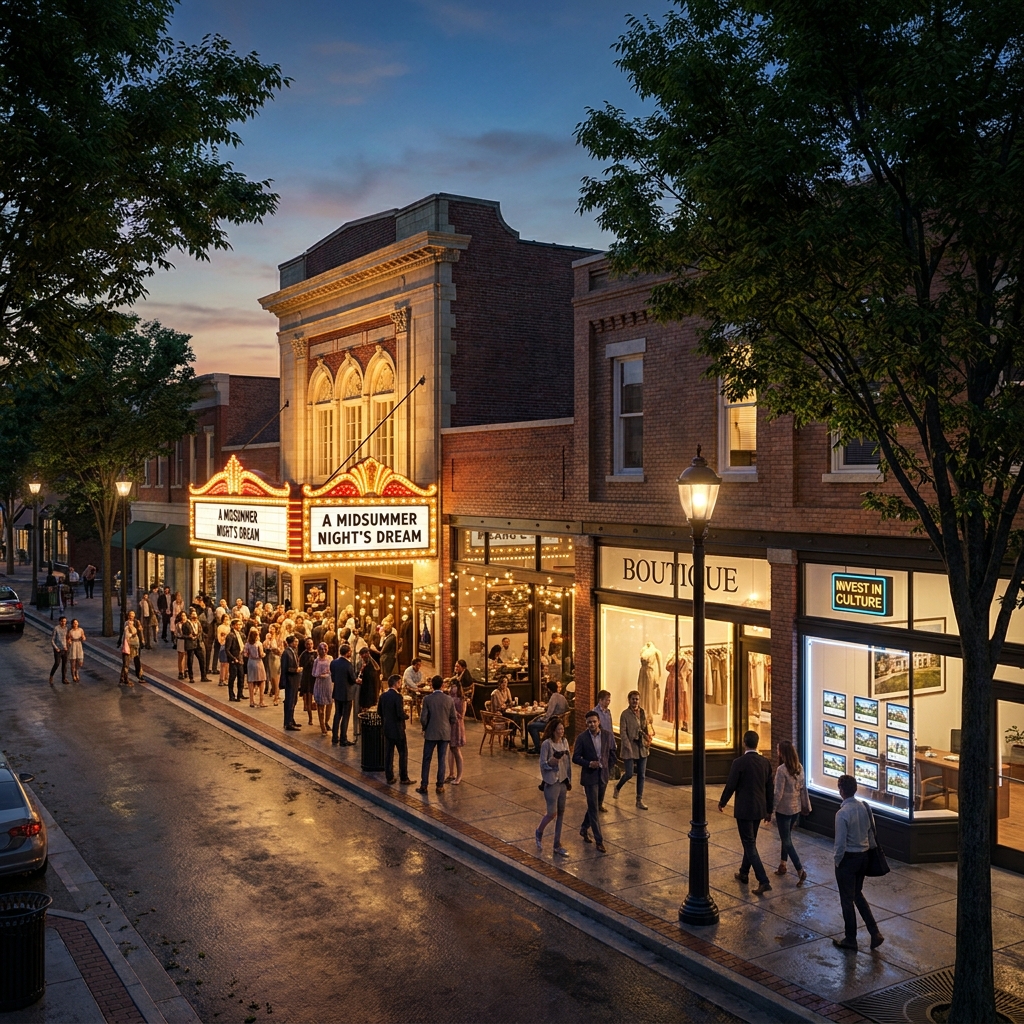
Local theater rarely operates in isolation, and that is good news for surrounding properties. Audiences arrive early, linger afterward, and naturally spill into nearby restaurants, boutiques, and services. This extended dwell time makes your commercial district feel lively and safe, which is a major selling point with many retail and office users. When prospects tour a property and see an active cultural scene outside, they mentally upgrade the perceived value of the space. That perception often supports stronger asking rents and shorter vacancy periods.
Performing arts organizations also help stabilize evening and weekend traffic, which many commercial corridors desperately need. A well-timed performance schedule stretches activity beyond the traditional nine-to-five window. Tenants appreciate seeing people on the street when they close up or work late, and that comfort factor can influence leasing decisions. In addition, investors increasingly look for signs of cultural resilience when evaluating submarkets. Showing that your district supports working artists signals depth, identity, and long-term community attachment.
Selecting and Positioning Spaces for Performance-Friendly Use
Not every commercial unit can host a theater troupe, but more can work than you might think. Deep, column-free spaces with high ceilings are obvious candidates, yet unconventional locations can also succeed with thoughtful planning. Former banks, underused basements, or second-floor units with good egress can all become intimate black box stages. When you evaluate a listing, consider sightlines, load-in access, and noise transfer as carefully as you consider parking ratios. Positioning even one adaptable space in a block can anchor a compact arts cluster around your listings.
Once you identify performance-friendly spaces, highlight those features clearly in your marketing materials. Describe ceiling heights, flexible seating potential, sound isolation opportunities, and existing life-safety systems in language that speaks to creative users. Include sample floor plans indicating possible stage and backstage layouts to help troupes visualize operations. If zoning already allows assembly use, mention it prominently, because many small organizations lack the resources to navigate complex approvals. You are not just listing square footage; you are selling a potential home for stories, audiences, and recurring traffic.
Structuring Leases That Work for Theaters and Landlords
Local performing arts groups operate on tight budgets, yet they offer substantial non-monetary value to a commercial asset. Creative leasing structures can balance these realities while protecting landlord income. Consider tiered rent that starts modest and escalates with ticket sales or sponsorship growth, documented transparently. Another approach pairs a theater with complementary tenants, using higher retail rents to offset a slightly discounted cultural anchor. When framed correctly, this becomes an intentional merchandising strategy, not a concession.
It also helps to write flexibility into the lease to reflect seasonal revenue patterns. Many troupes generate most income during specific production windows and rely on off-season rentals or classes the rest of the year. Aligning payment schedules, subleasing rights for workshops, and shared-use provisions for rehearsal space can reduce default risk. Clear expectations around noise, hours, and crowd management keep neighbors comfortable and minimize complaints. A thoughtful leasing framework turns a potentially risky tenant profile into a dependable, community-loved anchor.
Programming Collaborations That Keep Districts Energetic
Supporting local theater does not end when the ink dries on the lease. Real estate professionals can help coordinate programming that benefits the entire district. Joint events like gallery walks with pop-up performances, sidewalk scenes, or lobby concerts extend the impact beyond the theater walls. These activations encourage repeat visits from audiences who start to treat the area as their go-to evening destination. In time, that loyalty shows up in sales numbers, tenant retention, and appraisal narratives.
Landlords and brokers can also sponsor thematic event series tied to key leasing goals. For example, a new mixed-use building might underwrite an opening season of performances that showcase neighborhood history or future vision. Pre-show open houses in nearby vacant units introduce the space to engaged, local attendees instead of cold leads. Office owners can host lunchtime rehearsals in atriums, giving employees a perk and performers additional rehearsal exposure. Each collaborative moment knits the arts deeper into the property story you present to prospects.
Marketing Listings Through Theater and Arts Partnerships
Local theater troupes are storytellers by trade, and that skill can transform your marketing. Work with performing arts partners to develop mini-features, behind-the-scenes tours, or cast interviews filmed inside your commercial spaces. These assets give you authentic, human-centered content to showcase across listing pages, email campaigns, and social channels. Prospects do not just see square footage; they see people experiencing joy, creativity, and community in the environment. That emotional layer often separates an average listing from a memorable one.
Cross-promotion multiplies the reach of every message you share. Theater organizations maintain loyal newsletters, social feeds, and subscriber lists filled with local, engaged residents. Featuring your commercial district in their communications introduces your properties to audiences who already love spending time nearby. In return, your signage, lobby displays, and digital listings can highlight upcoming shows or fundraising campaigns. You effectively trade advertising inventory for credibility and cultural relevance that money alone struggles to buy.
Tracking Return on Investment from Arts-Focused Strategies
To justify continued support for theater and performing arts, you need measurable outcomes. Start by benchmarking foot traffic, dwell time, vacancy rates, and average lease terms before major arts initiatives launch. Compare these metrics after a full performance season to understand shifts tied to increased activity. You can also survey tenants about perceived safety, visibility, and customer volume during show nights. Stronger renewals, fewer concessions, and growing waiting lists for prime units are powerful indicators that culture is working in your favor.
Go beyond building-level metrics to capture the story at the district scale. Track how many prospects first learned about your space through a show, rehearsal, or arts-related event. Note which businesses report sales spikes on performance evenings and document those case studies in future pitch decks. When investors ask what protects value in uncertain markets, you can point to a living, breathing cultural ecosystem, not just demographic charts. In doing so, you position yourself as a strategist who understands that thriving commercial real estate depends on stages as much as storefronts.