Mobility Features That Turn Listings Into Destinations
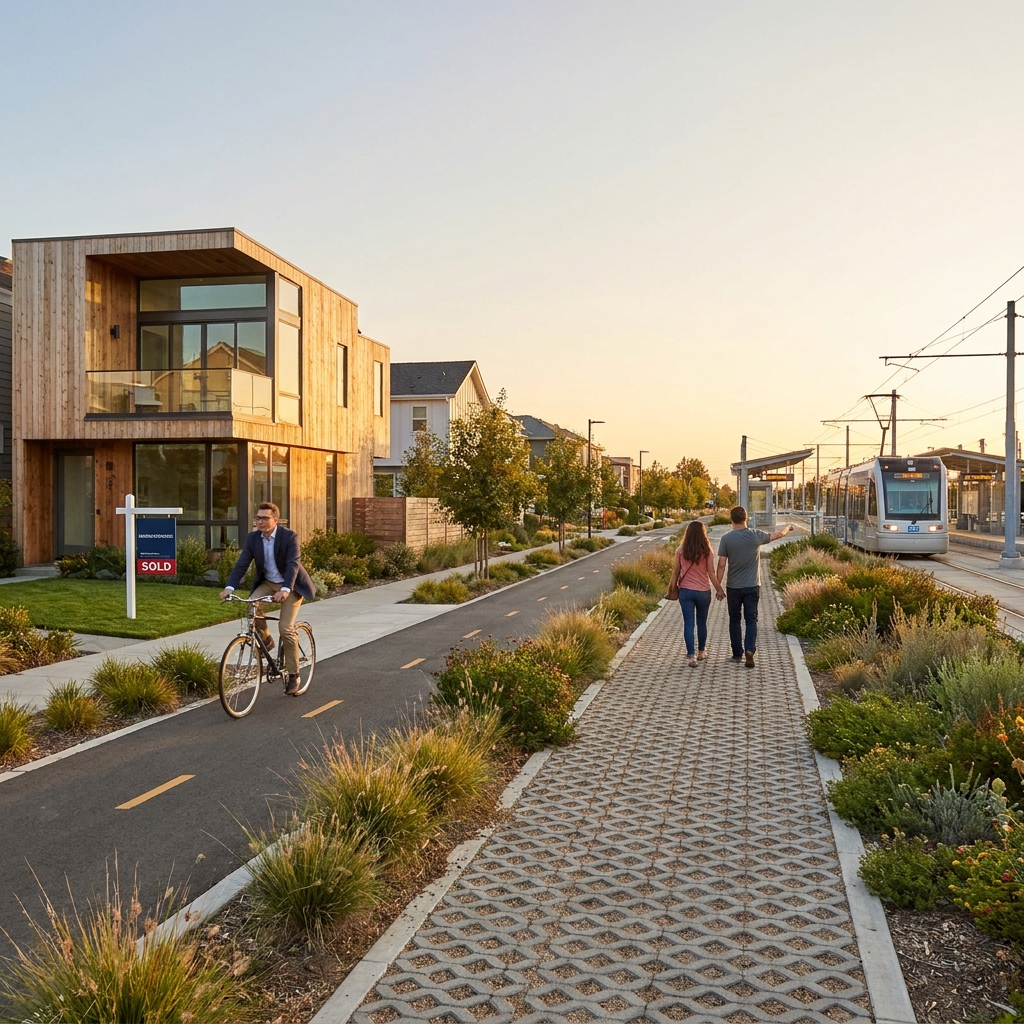
Buyers are not just shopping for square footage anymore; they are shopping for a lifestyle that lets them move easily without always relying on a car. In many markets, sustainable transportation options like protected bike lanes, greenways, and pedestrian pathways are quietly becoming a deciding factor in which homes and spaces win stronger offers. For real estate professionals, that shift is not just a planning trend; it is a sales opportunity hiding in plain sight along the curb and sidewalk. When you frame mobility as an everyday convenience, a health benefit, and a budget saver, you give your listings a story that stands out in crowded feeds and portals. The right narrative around lanes and paths can turn a good location into a clearly superior one in the minds of qualified buyers.
Walkability, Bikeability, and the New Location Equation
For decades, “location” in real estate shorthand meant proximity to schools, employment centers, and shopping, usually measured by driving time. Today, a growing share of buyers evaluates those same factors based on whether they can walk, bike, or roll there safely. Neighborhoods with connected sidewalks, separated bike lanes, and off-street paths offer a sense of freedom that resonates with urban professionals, downsizing empty nesters, and health-conscious families alike. When you present those mobility assets as part of the core value of the property, you are not just selling a building; you are selling a more convenient everyday routine. Highlighting this shift in buyer priorities allows you to position your listings ahead of comparable properties that still lean only on traditional location talking points.
To translate walkability and bikeability into sales language, you need to move from vague claims to specific, buyer-centered benefits. Instead of simply saying an area is “walkable,” call out the everyday trips a buyer can realistically make on foot or by bike from the front door. Emphasize the ability to reach key amenities such as parks, cafes, schools, and transit stops without navigating stressful traffic or searching for parking. Many buyers also think about long-term flexibility, such as aging in place or teens gaining independence, and safe paths make those scenarios feel more attainable. When you frame mobility in these concrete ways, it becomes easier for buyers to visualize themselves thriving in the space, which supports stronger emotional attachment and more confident offers.
Reading the Market: Who Pays More for Sustainable Transportation?
Different buyer segments prioritize sustainable transportation for different reasons, and understanding those nuances makes your marketing sharper. Young professionals may be focused on biking to work or combining a short ride with a transit connection, which reduces commuting stress and car expenses. Families often value safe school routes and the ability to get kids to activities without battling long lines of vehicles. Older buyers might be thinking ahead to a future where driving less is more comfortable, and wide, well-lit pathways feel like an investment in independence. By mapping your local buyer personas to the mobility features around each listing, you can choose stories, photos, and ad angles that speak directly to the right motivations.
This segmentation also helps you avoid generic “green” language that sounds good but fails to move serious buyers to action. For example, promoting a condo near a riverfront trail to remote workers might focus on midday wellness rides and stress relief between video calls. Marketing the same trail access to parents might emphasize safe weekend adventures and a car-free route to playgrounds. Office tenants looking at commercial space may care more about a bike-accessible commute that supports employee retention and recruiting. When every marketing piece connects the same infrastructure—lanes and paths—to different, highly specific outcomes, you create the feeling that each property was built for that particular buyer’s lifestyle.
Designing Listings Around Bike Lanes and Pedestrian Paths
Most listing descriptions bury sustainable transportation benefits in a single line near the bottom, if they mention them at all. To win attention, especially online where buyers skim quickly, mobility features should move closer to the top of your copy. Consider leading with a vivid statement such as being “three blocks from a protected bike lane that connects directly to the business district” or “steps from a neighborhood path that links parks, schools, and cafes.” Support those claims with photos that show real people using nearby lanes and pathways rather than empty streets, so buyers can instantly picture the lifestyle on offer. Whenever possible, include a simple map or description that orients prospects from the front door to the most compelling nearby destinations.
Details make these descriptions credible and persuasive without overpromising. Spell out approximate walking and biking times to major points of interest, and keep the focus on practical daily uses instead of abstract environmental benefits. When allowed by your listing platform, include short captions under photos such as “Five-minute bike ride to the farmers’ market via tree-lined path” to reinforce the message visually and verbally. For commercial listings, emphasize how employees and customers can reach the site using nearby bike routes and sidewalks, which can reduce parking pressure and broaden the potential workforce. The more clearly you connect sustainable transportation infrastructure to real-world convenience, the easier it is for buyers and tenants to perceive added value.
Partnering Locally to Promote Sustainable Mobility
You do not need to be a transportation planner to market sustainable mobility effectively, but tapping into local expertise can raise the quality of your information and storytelling. Connect with city or county staff, cycling and walking advocacy groups, and neighborhood associations that track upcoming lane expansions and pathway improvements. Their insights can help you understand how current projects will change the appeal of certain corridors over the next few years, which is critical context for buyers thinking about long-term value. By staying informed about planned connections and upgrades, you can position some properties as “ahead of the curve” in areas that are improving but not yet fully recognized by the wider market. This level of foresight builds trust with serious buyers who want their purchase to make sense today and tomorrow.
These local relationships can also spark co-marketing opportunities that support your listings while adding value to the community. For instance, you might collaborate on educational content about safe bike commuting routes that happens to highlight neighborhoods where you specialize. You could feature a short interview with a local planner or advocate in your newsletter, explaining how new pedestrian pathways will link to key destinations near your listings. Commercial clients may appreciate introductions to mobility groups that help their employees take advantage of nearby lanes and paths, which strengthens your reputation as a resource beyond the transaction. When your brand is associated with helpful, accurate guidance on sustainable transportation, your marketing gains authority that makes every listing message more believable.
Content and Ad Angles That Turn Lanes Into Leads
Sustainable transportation is naturally visual, which makes it a powerful theme for your content and paid campaigns. Short videos showing a door-to-door bike ride from a listing to a favorite local spot can outperform static photos because they reveal both distance and experience. Carousel posts featuring the front door, the nearby bike lane, and the destination help prospects connect the dots in seconds. Even simple before-and-after style photos that contrast a congested road with a calm neighborhood pathway can underline the stress relief that car-light living offers. When you combine those visuals with clear calls to action, you invite viewers to imagine this smoother routine as their own.
On the performance side, sustainable transportation features give you precise hooks for audience targeting and message testing. You can experiment with different headlines that emphasize saving time, improving health, or reducing car dependency, then track which angles generate more listing inquiries or showing requests. Segmenting campaigns by buyer type—such as remote workers, active retirees, or young families—allows you to tailor the same bike lanes and pathways to different life stages. As you gather data on which phrases, images, and formats drive actual leads, you can refine a repeatable playbook for future listings near similar infrastructure. Over time, sustainable transportation stops being a vague “nice to have” and becomes a measurable driver of engagement and conversions.
On-Site Experience: Showing Buyers the Car-Light Lifestyle
When a buyer arrives for a showing, the surrounding streets and sidewalks either reinforce your marketing or contradict it. Simple choices can help you bring the sustainable transportation story to life the moment they step out of their vehicle or off their bike. Provide clear directions that mention bike racks, nearby paths, and safe crossings, not just parking instructions. Consider walking a short segment of the nearest pathway with buyers, narrating key points like lighting, width, and destinations along the route. This brief, guided experience can make the possibility of everyday walking or biking feel much more tangible than photos alone.
For open houses and property tours, small touches can go a long way toward reinforcing the theme. A printed “mobility sheet” that lists walking and biking times to major amenities can sit alongside traditional flyers that focus on interior features. Sign riders or entry posters that say things like “Stroll to the riverfront path in seven minutes” remind prospects that location benefits extend beyond the lot line. Commercial prospects may respond well to a simple sketch or plan showing how employees can arrive via different bike routes and sidewalks. By curating these on-site experiences, you make sustainable transportation feel like an integrated, everyday part of property life, not an abstract selling line.
Tracking Results So Mobility Stays in Your Playbook
To keep sustainable transportation as a core part of your sales strategy instead of a one-off experiment, you need to track its impact. Start by noting which listings feature strong bike lane and pathway access and how their performance compares to similar properties without those advantages. Monitor metrics such as the number of inquiries that mention walkability or biking, the engagement rates on social posts highlighting mobility, and the speed of offers relative to other inventory. You can also add a simple question to buyer or tenant intake forms asking how important car-light living is to them. These signals will help you see where mobility messaging truly moves the needle in your local market.
As patterns emerge, refine both your property selection and your marketing approach accordingly. You may find that certain corridors with connected lanes and paths consistently support premium pricing or faster absorption, making them prime areas for future focus. Your listing templates can evolve to include dedicated sections for sustainable transportation, ensuring the best features are never overlooked. Campaign briefs for creative teams or AI tools can specify which mobility angles to test first based on past performance. When you treat bike lanes and pedestrian pathways as measurable, repeatable drivers of demand, you turn everyday infrastructure into a lasting competitive edge in real estate and property sales.