When an Iconic Property Meets a New Wave of Expectations
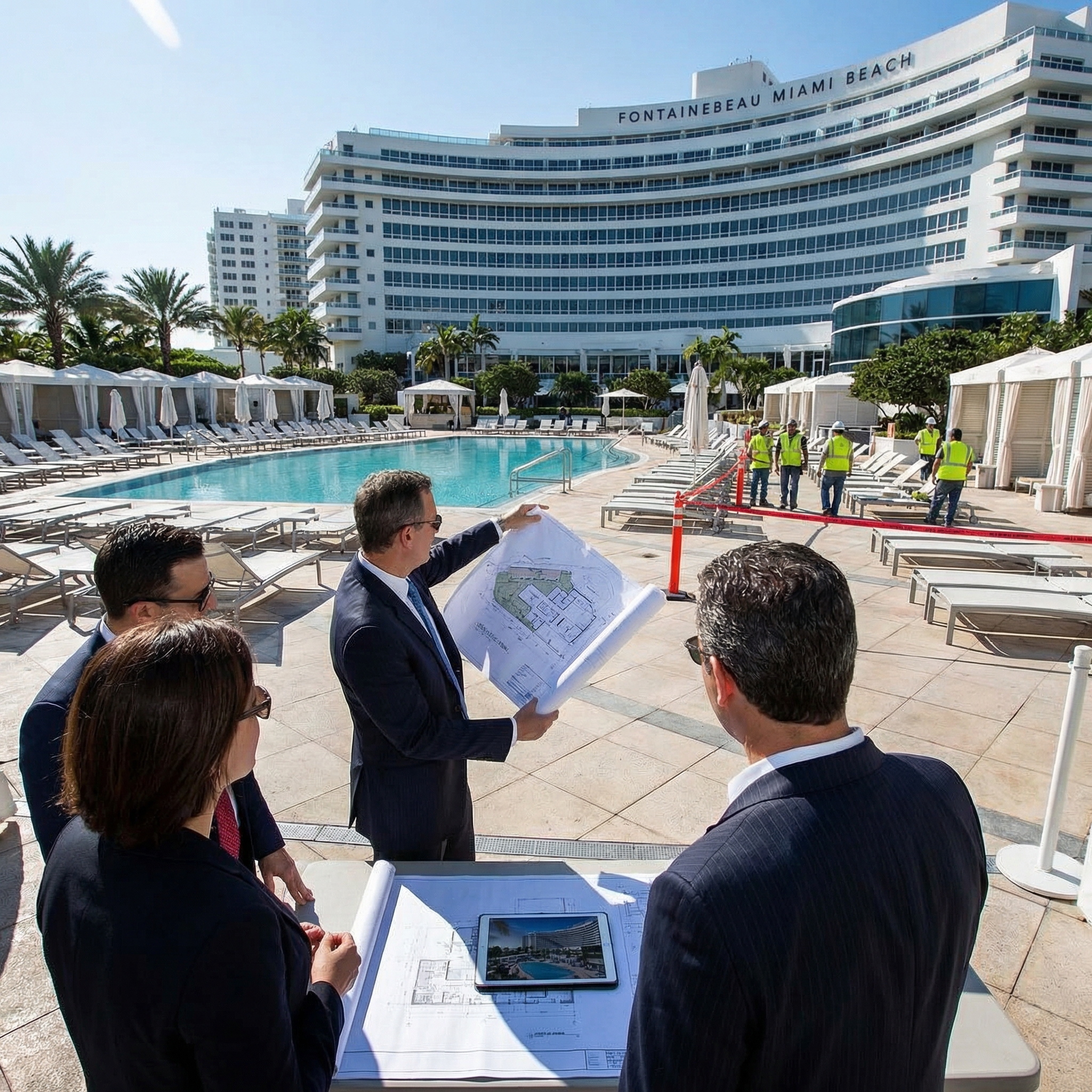
Billionaire Jeffrey Soffer’s plan to revamp the pool deck at the iconic Fontainebleau Miami Beach is drawing major pushback. At the same time, state lawmakers have cleared a path for pool upgrades at the property.
For real estate owners, investors, and agents, this moment captures a familiar tension. High-profile assets need periodic upgrades to stay competitive, yet every major change now plays out under an intense public and political spotlight.
The Fontainebleau Miami Beach story is not just a one-off controversy. It is a case study in how amenity upgrades, regulatory approvals, and stakeholder reactions intersect—and what that means for property strategy and sales.
Amenity Upgrades as Value Drivers—and Flashpoints
Revamping a pool deck at a flagship property is not just a cosmetic choice. For many assets, especially destination properties, the pool area is a central amenity that shapes guest experience, brand perception, and revenue potential.
When owners push for a major refresh, they are often aiming to:
- Reposition the asset higher in its competitive set
- Extend the lifecycle of an aging property without a full redevelopment
- Support premium pricing for rooms, residences, or event spaces
- Attract new segments of buyers, guests, or tenants
Yet the Fontainebleau Miami Beach example shows how quickly an amenity plan can become a flashpoint. Even with a strong investment thesis, upgraded features may be viewed by neighbors, local groups, or other stakeholders as a disruption rather than an enhancement.
For real estate professionals, the lesson is clear: a high-impact amenity project is not only a design or capital decision. It is a public-facing change that will be weighed emotionally, politically, and financially by people far beyond the ownership group.
State Lawmakers Clearing a Path: Signals for the Market
In this case, state lawmakers have cleared a path for pool upgrades at the Fontainebleau Miami Beach. That development sends an important signal for investors and owners watching from the sidelines.
First, it highlights that large-scale projects do not unfold solely at the local level. When a property is iconic or economically significant, state-level actors may step in, support, or shape the outcome.
Second, it reinforces that regulatory risk cuts both ways. While pushback can delay or complicate plans, political and legislative support can also unlock projects that seemed stuck. This two-sided risk–reward profile should be factored into underwriting, timelines, and sale positioning.
Finally, it underscores the visibility of marquee assets. Moves involving well-known destinations attract attention from lawmakers, the media, and the community. That visibility can amplify both the benefits and the backlash surrounding a planned upgrade.
Strategic Takeaways for Owners, Investors, and Agents
Although the Fontainebleau Miami Beach situation is specific, the dynamics apply broadly across major real estate holdings. Whether you are planning a renovation, marketing a high-profile asset, or advising a client, consider these practical takeaways.
- Treat amenities as strategic infrastructure, not decor. A pool deck, outdoor lounge, or shared recreation space can materially influence property value, buyer demand, and lender confidence. Build amenity upgrades into long-term capital planning, revenue modeling, and exit strategies.
- Expect organized pushback on visible changes. The larger and more iconic the property, the more likely it is that any major physical change will face organized resistance. Prepare your narrative in advance: why the upgrade matters, who it benefits, and how impacts will be managed.
- Map stakeholders beyond immediate neighbors. Community groups, hospitality and tourism interests, employers, and public officials may all claim a stake in what happens to a landmark property. Identify them early and anticipate their priorities.
- Watch legislative and regulatory currents closely. State lawmakers clearing a path for upgrades at Fontainebleau Miami Beach illustrates how policy decisions can override or reshape local obstacles. Build strong legal, regulatory, and government-relations support into any major repositioning plan.
- Position upgrades as value for the wider ecosystem. When a project is framed only as an owner benefit, resistance grows. When you can credibly tie improvements to jobs, tourism, local spending, or broader market appeal, it is easier to win acceptance.
- Protect transaction timelines with contingency planning. If you are selling or refinancing a property that depends on a planned upgrade, structure your narrative and pricing to account for potential delays. Make it clear to buyers and capital partners how regulatory milestones could affect the pro forma.
- Use controversy to refine your story. If pushback emerges, listen closely. The objections and talking points used by opponents often reveal what matters most to the marketplace. Refine your messaging, marketing materials, and project design in response to those signals.
Marketing and Sales Implications for Trophy Assets
For agents and brokers operating in competitive markets like Miami Beach, amenity-focused upgrades at iconic properties can influence the broader sales landscape. Even if you are not directly involved with Fontainebleau Miami Beach, the visibility of its pool upgrade debate shapes buyer expectations across the area.
Buyers and investors increasingly ask detailed questions about future capital plans, entitlement risk, and community attitudes toward large-scale changes. Having a clear point of view on these issues—and being able to reference prominent examples—can build credibility and trust.
In listing presentations, valuation discussions, and investment pitches, draw on these patterns:
- High-profile upgrades signal confidence in the long-term appeal of a location
- Regulatory scrutiny is now part of the normal course for large projects
- Properties that navigate pushback successfully may emerge stronger in the market narrative
By framing amenity investments and political developments as part of the story of neighborhood and market evolution, you help clients see beyond short-term headlines.
Looking Ahead: From Headlines to Strategy
The Fontainebleau Miami Beach pool revamp may appear, at first glance, to be a single owner’s plan facing local criticism. In reality, it highlights the complex environment in which modern real estate decisions play out, especially around highly visible amenities.
For real estate professionals, the key is to convert these public battles into private preparedness. Each instance of pushback, and each move by lawmakers to clear a path forward, offers a window into how projects will be judged next time.
Whether you are upgrading a flagship asset, evaluating an investment, or advising a seller, treat amenity decisions as strategic events—shaped not only by design and dollars, but also by perception, politics, and timing.