Understanding the Emotional Connection in Home Staging
Home staging is more than just arranging furniture and decorations—it taps into the psychological triggers that influence buyer decisions. When prospective buyers walk into a staged home, they begin to visualize themselves living there. This emotional connection creates a sense of comfort and belonging that can accelerate the decision-making process.
Buyers are not only looking at the physical space but also experiencing an imagined lifestyle. Effective staging helps trigger positive emotions like excitement and security, which are crucial in motivating a purchase.
Creating a Sense of Spaciousness and Flow
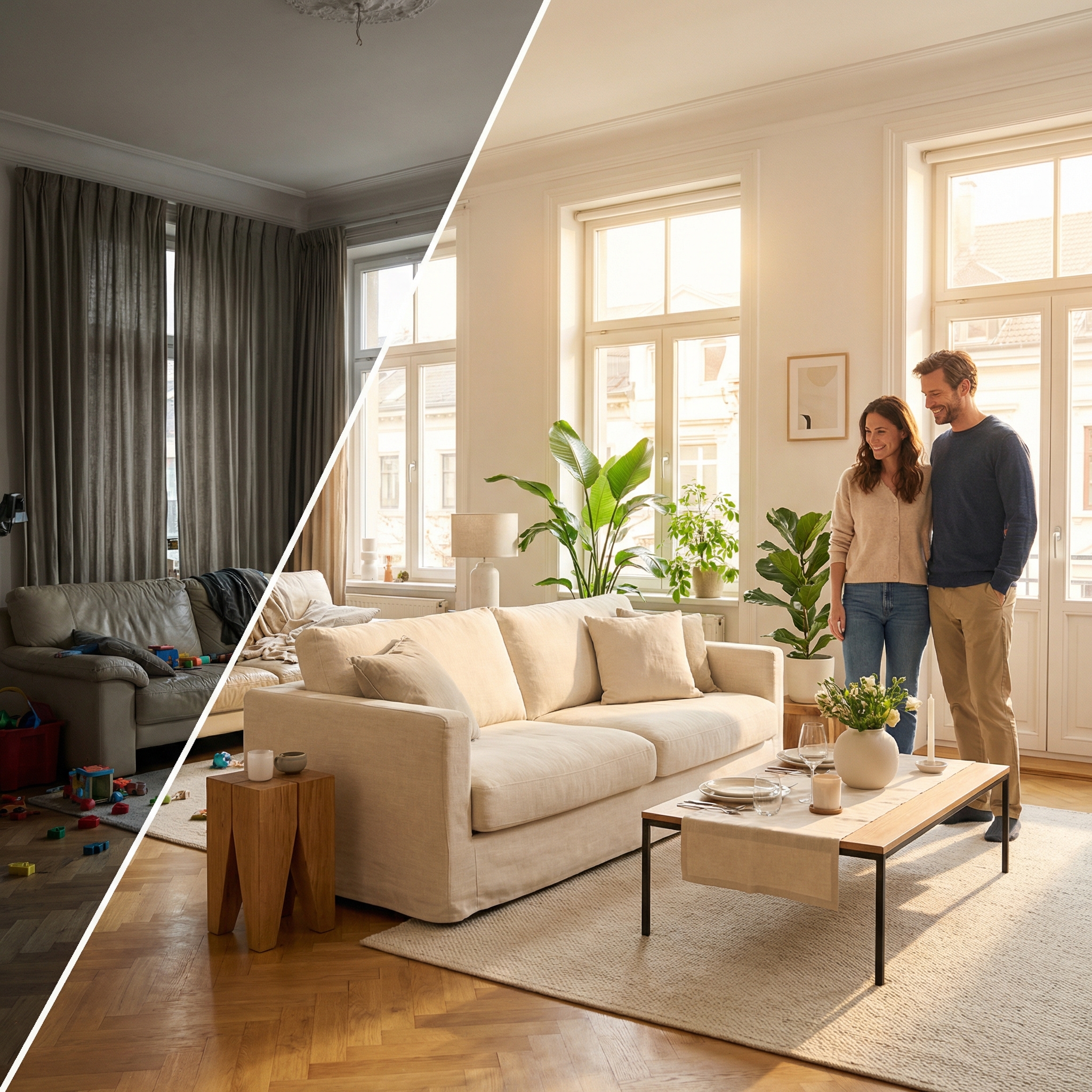
One core psychological principle in home staging is the perception of space. Buyers tend to prefer homes that feel open and uncluttered because they associate spaciousness with freedom and potential. By strategically arranging furniture and clearing unnecessary items, sellers can enhance the flow and make rooms appear larger.
This feeling of openness helps reduce buyer anxiety about cramped or awkward spaces, making it easier for them to picture their belongings fitting comfortably. Key tactics include:
- Using light colors to brighten rooms and reflect natural light
- Placing furniture to create clear walking paths
- Removing bulky or oversized pieces that crowd the area
Appealing to Buyer Aspirations Through Styling
Buyers often shop for more than just a house—they are seeking a lifestyle upgrade. Home staging capitalizes on this by styling interiors to reflect aspirational living. This involves selecting decor and accessories that evoke warmth, elegance, or modernity depending on the target market.
For example, a sleek, minimalist aesthetic might appeal to younger buyers seeking simplicity, while classic, cozy furnishings can attract families looking for comfort and tradition. By tailoring the style to the audience, sellers can foster a stronger psychological appeal that resonates deeply.
Highlighting Key Features to Influence Perception
Psychology shows that people focus on specific features that stand out and form lasting impressions. Staging helps highlight a home’s best attributes—be it a fireplace, large windows, or built-in storage—by drawing buyers’ attention to these elements.
Using lighting, placement, and complementary decor enhances these features, making them memorable and desirable. This approach helps buyers justify the value of the home and strengthens their emotional investment in the space.
Neutralizing Negative Bias with Color and Neutral Design
Negative first impressions can deter buyers quickly. Staging works to neutralize potential biases by using soft, neutral color palettes that appeal to a broad audience. Psychology suggests neutral tones reduce distraction and help buyers project their own tastes onto the space.
A well-chosen color scheme creates a blank canvas that invites imagination rather than imposing a strong personal style. This inclusivity helps more buyers feel welcome, increasing the likelihood of interest and offers.
Using Lighting to Enhance Mood and Perception
Lighting plays a vital role in shaping buyer emotions and perceptions. Bright, natural light tends to evoke feelings of happiness and openness, while dim or harsh lighting can create discomfort or suspicion.
Effective staging ensures that rooms are well-lit, using a combination of natural sunlight and strategically placed lamps. This enhances colors, textures, and spatial qualities, making the home feel inviting and vibrant at every viewing.
Encouraging Buyer Imagination Through Minimal Personalization
While personalization can be appealing, too many personal items often distract or alienate buyers. Staging balances this by incorporating minimal, tasteful accessories that suggest a lived-in feel without overwhelming the space.
This subtle personalization allows buyers to imagine their own lives unfolding in the home, which is critical for emotional attachment. Examples include fresh flowers, neutral artwork, or simple cushions that add warmth without dominance.
Actionable Tips for Sellers to Leverage Psychological Insights
To harness the power of psychology in home staging, sellers should consider these practical strategies:
- Depersonalize and declutter to create a clean, neutral environment
- Arrange furniture to enhance flow and spaciousness
- Use soft, neutral colors to appeal to a wide audience
- Highlight architectural or unique features with lighting and decor
- Incorporate subtle, inviting accessories to stimulate imagination
- Ensure rooms are well-lit with natural and artificial lighting
By understanding and applying these psychological principles, sellers can make their homes more attractive, memorable, and ultimately sell faster at a better price.